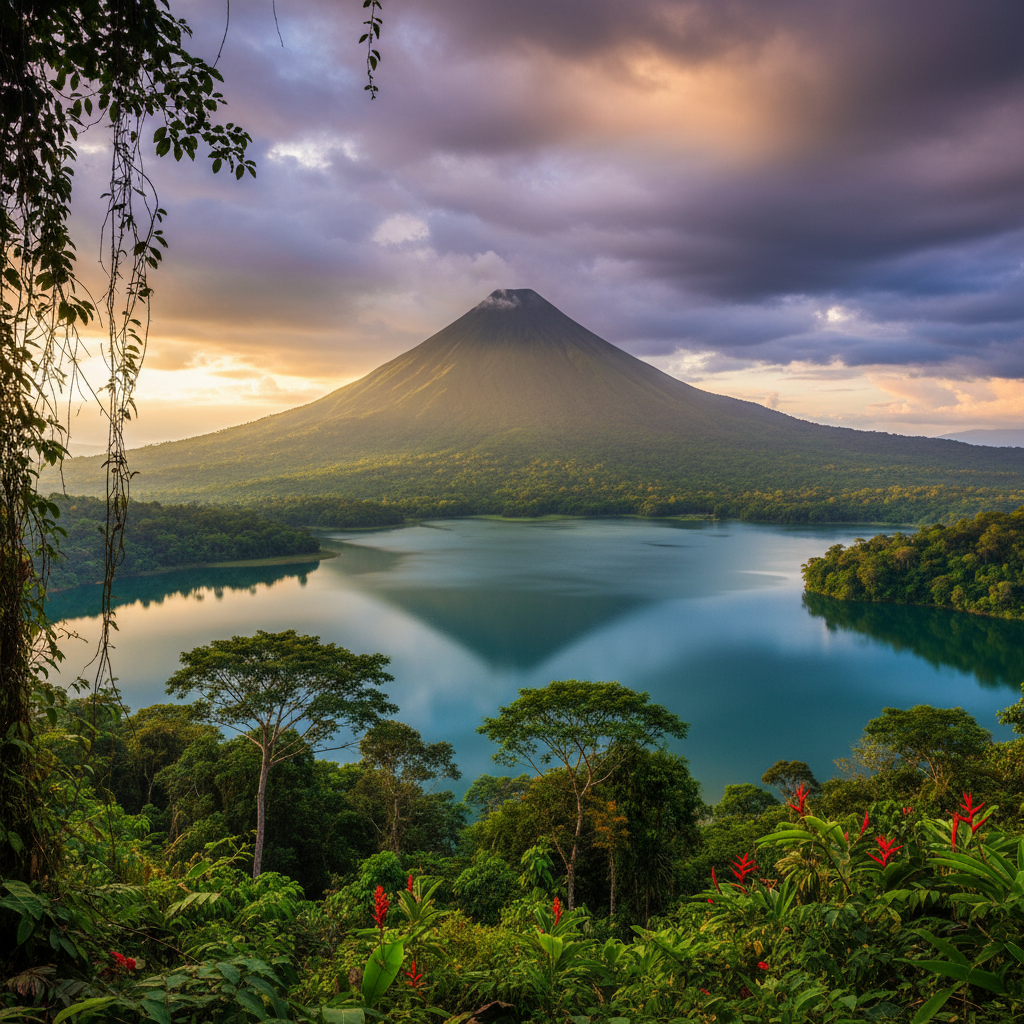
Costa Rica Travel Tips 2025: Everything You Need to Know Before You Go
Getting Ready for Costa Rica: The Practical Guide 🇨🇷
Costa Rica is one of the world's great destinations — but it's not without its planning challenges. The roads are demanding, the geography is complex, and the gap between peak and green season is significant enough to affect your entire holiday experience. Here's the practical information that will make your trip smoother and more rewarding.
When to Go
Dry Season (December–April) — this is the most popular and most expensive time to visit Costa Rica. Clear skies, low humidity, and reliable sunshine on the Pacific coast make this the classic holiday period. Book flights and accommodation well in advance.
Green Season (May–November) — the rainy season, but don't let the name put you off. Rain typically falls in the afternoon and evening, leaving mornings bright and clear. The landscape is at its most lush and vivid. Wildlife is abundant (particularly turtles nesting, whales migrating). Prices are significantly lower, crowds are smaller, and many experienced Costa Rica travellers consider this the best time to visit.
December–January holiday period — extremely busy and expensive. Book everything months in advance.
Getting Around
The roads are not European roads — this cannot be emphasised enough. Potholes, unpaved sections, one-lane bridges, mountain passes, and river crossings are all part of driving in Costa Rica. What looks like an hour on Google Maps can easily take two hours in reality.
A 4WD is essential for many destinations — not a suggestion. Destinations like Monteverde, the Osa Peninsula, and many Pacific coast beaches require proper 4WD vehicles. Your rental car insurance may be void if you damage a 2WD on an unsuitable road.
Pre-book your airport transfer — after a long-haul flight arriving into San José, the last thing you want to deal with is navigating an unfamiliar city in the dark with complex roads. A pre-booked private transfer with a local driver who knows the roads is not a luxury — it's good sense.
Domestic flights save enormous time — for destinations like Quepos, Tortuguero, Puerto Jiménez (Osa Peninsula), or Tamarindo, flying domestically on SANSA or Green Air saves 3–5 hours of driving each way. The planes are small, the views are extraordinary, and the time saving is significant.
Money
The Costa Rican Colón (CRC) is the official currency — but US dollars are accepted widely at hotels, restaurants, and tourist businesses. Having a small amount of colones is useful for local markets, buses, and smaller establishments.
ATMs are available throughout the country — use ATMs at established banks (Banco Nacional, BCR, BAC) rather than standalone machines. ATM fees can be high; check your bank's foreign transaction charges before you travel.
Haggling is not really a thing — unlike some destinations, Costa Rican prices in tourist areas are generally fixed. You won't be expected to negotiate.
Health & Safety
Costa Rica is one of Central America's safest countries — it's politically stable, democratic, and has no army (the military was abolished in 1948 — the budget went to healthcare and education instead). Petty crime exists, as it does everywhere, but violent crime against tourists is rare.
Mosquitoes and dengue — dengue fever is present throughout Costa Rica and is transmitted by mosquitoes that are active during the day. Use a good DEET-based insect repellent consistently, particularly at dawn and dusk. There is no vaccine for dengue.
Sun protection — Costa Rica sits between 8 and 11 degrees north of the equator. The UV levels are intense year-round. SPF 50+, a hat, and shade during midday are essential, particularly on beaches and when hiking.
Tap water — in most urban areas and tourist destinations, tap water is safe to drink. In rural areas and the Osa Peninsula, stick to bottled water to be safe.
Wildlife Safety
Don't touch wildlife — this is non-negotiable. However tame a monkey, sloth, or iguana appears, wild animals can and do bite. Maintain respectful distance and never feed wildlife.
Watch for snakes — Costa Rica has both venomous and non-venomous snake species. On trails and in forest areas, stick to the path, wear proper footwear, and watch where you step.
Rip currents at Pacific beaches — the Pacific coast of Costa Rica is beautiful but can have powerful rip currents and dangerous surf conditions. Never swim alone and always check locally before entering the water at an unfamiliar beach.
Packing Essentials
- ✦Lightweight, breathable clothing (you'll be warm everywhere except Monteverde, which requires a fleece)
- ✦A quality rain jacket — even in dry season, sudden rain is possible
- ✦Sturdy, waterproof hiking shoes — essential for most outdoor activities
- ✦DEET insect repellent — non-negotiable
- ✦A good dry bag — for boats, river crossings, and sudden downpours
- ✦Binoculars — the wildlife viewing is spectacular and binoculars transform the experience
- ✦A small first aid kit — minor cuts and insect bites are common on jungle trails
Book Your Costa Rica Transfer with My Holiday Taxi
Arriving at Juan Santamaría International in San José or Daniel Oduber in Liberia, we'll get you to your destination safely and comfortably. Our drivers know every road and every challenge of Costa Rican terrain. Pre-book your transfer and start your Pura Vida adventure the right way.
Ready to Book Your Transfer?
Fixed prices, licensed drivers, meet & greet service at every airport.
Book A Taxi Now